When the Pasta Got Cold and the Truth Came Out: Sibling Reconciliation Stories That'll Move You

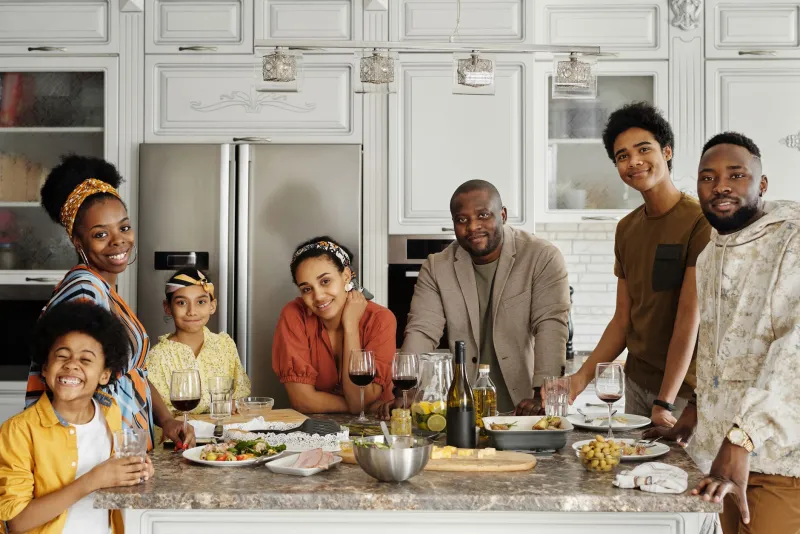
There's something about a table set with food that lowers people's guards. Maybe it's the ritual of it — the passing of dishes, the clinking of glasses, the shared act of feeding each other. Whatever the reason, some of the most emotionally seismic conversations in family history have happened not in a therapist's office or a church pew, but over a bowl of spaghetti that nobody was really eating anymore.
We reached out to families across the country who had lived through sibling estrangements — some lasting years, some nearly a decade — and asked them to share what finally broke the ice. What came back were stories that were messy and complicated and, in the end, quietly beautiful.
The Distance That Grows Without Anyone Choosing It
Here's the thing about sibling rifts that people don't always talk about: most of them don't start with one dramatic blowup. They start with a missed phone call that becomes a pattern. A disagreement at a holiday dinner that never got fully resolved. A life transition — a move, a marriage, a baby — that quietly reshuffled priorities and left someone feeling like they'd been dropped from the lineup.
Marcus, 44, from Columbus, Ohio, hadn't spoken more than a handful of words to his younger brother Deon in nearly six years when their mother announced she was turning 70 and wanted all her kids at the table. "I almost didn't go," Marcus told us. "I kept telling myself it wasn't worth the drama. But something about hearing my mom say she just wanted her boys there — it got to me."
He went. Deon went. And for the first two hours of that birthday dinner, they were perfectly, painfully polite to each other. It wasn't until everyone else had drifted into the living room and the two of them were left alone clearing plates that Deon said something so simple it almost broke Marcus in half: "I missed you, man. I don't even really remember why we stopped talking."
That was it. That was the crack in the wall.
What It Actually Takes to Start the Conversation
If you've ever tried to reach out to an estranged family member, you know the paralysis that sets in before you pick up the phone or walk through the door. What do you even say? Do you address the thing that happened, or do you just act like time erased it? Do you apologize first, or do you wait to see if they will?
Family therapist and reconciliation coach Dr. Renee Holloway, who works primarily with adult siblings in the Midwest, says the most common mistake people make is waiting for the perfect opening. "There is no perfect opening," she says. "There's only the moment you decide that the relationship matters more than being right."
She's seen it happen over Thanksgiving turkeys and birthday cakes and even a random Tuesday night when someone just showed up at a sibling's door with takeout and no plan. "Food creates a reason to gather that isn't about the conflict," she explains. "It gives people something to do with their hands and their eyes. That takes some of the pressure off the conversation."
For Loretta, 51, from Nashville, the turning point came at a Fourth of July cookout at her aunt's house. She and her sister Vivian had been estranged for four years following a dispute over their late father's estate — a situation so common it has practically become a cultural shorthand for sibling fallout. They ended up sitting next to each other almost by accident, and for a while, the noise of the party made it easy to avoid saying anything real.
But then a photo came up on Loretta's phone — an old picture of the two of them as kids, sitting on their dad's lap at Christmas. She showed it to Vivian without thinking. "We both just kind of fell apart," Loretta says. "All the stuff about the estate, the money, the lawyers — none of it felt real anymore. What felt real was that we were two girls who lost our dad and then lost each other, and that was just too much loss."
They talked for three hours that night, long after the fireworks were done and most of the other guests had gone home.
The Moment After the Moment
One thing nearly every person we spoke to mentioned was how strange the days after a reconciliation can feel. You've crossed this enormous emotional threshold, and then... life continues. There's a vulnerability hangover. A quiet anxiety about whether the reconnection will stick or whether old patterns will creep back in.
Marcus described it as "waiting for the other shoe to drop" in the weeks after that birthday dinner with his brother. "We texted a few times, which was more than we'd done in years. But I kept thinking, okay, is this real or are we just being nice because Mom was there?"
What helped, he says, was making a plan. Not a big emotional plan — just a concrete, ordinary one. The two of them agreed to watch a football game together at Marcus's place the following month. "It sounds so small," he laughs, "but having that thing on the calendar made it feel like we were building something instead of just patching something."
That distinction — building versus patching — is one Dr. Holloway returns to often in her work. "Reconciliation isn't a single event," she says. "It's a series of small choices to keep showing up. The dinner table moment is the beginning, not the finish line."
How to Create the Space Without Forcing the Outcome
If you're someone who's been holding out hope for a sibling reconciliation in your own family, here are a few things the people we talked to wish they'd known sooner:
Let the gathering be the reason, not the confrontation. Inviting an estranged sibling to a birthday dinner or a casual cookout is a much lower-stakes entry point than scheduling a "we need to talk" conversation. The shared occasion gives everyone cover.
Don't script it. The most powerful moments in every story we heard were unplanned. A photo, a quiet moment alone in the kitchen, a comment that came out sideways and accidentally said something true. Leave room for the unexpected.
Prepare yourself for awkward. Awkward doesn't mean it's failing. In almost every reconciliation story we heard, there was a long stretch of polite, strained small talk before anything real happened. Push through it.
Give it more than one chance. One good dinner doesn't undo years of distance. But it can be the first brick in something that, over time, becomes solid.
The Table Keeps the Door Open
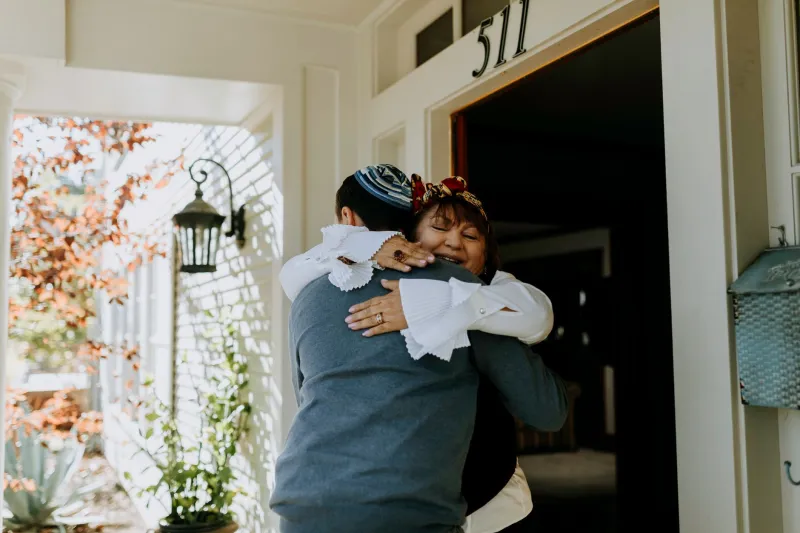
What strikes us most about these stories isn't the drama of the falling-out or even the relief of the reconciliation. It's how ordinary the turning points were. A cleared table. A phone photo. A brother saying I missed you while stacking dishes.
Families are complicated, and estrangements don't always resolve neatly. But there's something deeply hopeful about the idea that a shared meal — one of the most human things we do — can still hold enough warmth to thaw even the coldest distance. The table doesn't fix everything. But it keeps the door open long enough for the right moment to walk through.
And sometimes, that's all it takes.