The Potluck, the Park Shelter, and the Piñata That Cost Nothing: A Zero-Dollar Birthday Blueprint
Photo: Tim Evanson from Cleveland Heights, Ohio, USA, CC BY-SA 2.0, via Wikimedia Commons
Maria Reyes had a moment every parent knows. Her son Mateo's seventh birthday was three weeks out, the checking account was thin after a car repair, and a party package at the local trampoline park ran $340.
"I almost just told him we'd celebrate small this year," she says. "Then my neighbor, Denise, said something that stuck with me: 'You don't have money for a party, but you live on a street with eleven kids under ten. That IS a party. It just hasn't been organized yet.'"
So the Reyes family organized it. Total spent: zero dollars. Total attendance: around forty people. What Mateo remembers from that day, two years later? "Everything," Maria laughs. "He talks about it more than the party we paid for the year before."
Why Free Parties Often Work Better
There's a counterintuitive truth buried in the zero-cost party: removing money from the equation forces you to lean on the things that actually make gatherings memorable — people, food made by hand, and a little creativity.
Event planners will tell you that the most expensive elements of a kid's party (venue rentals, professional entertainers, elaborate decor) are usually the ones the birthday child forgets fastest. What sticks is simpler: getting soaked by the hose, a friend's dad doing card tricks, a table full of dishes everyone contributed.
The other hidden benefit? Community buy-in. When everyone contributes, everyone shows up. A paid venue creates customers. A shared potluck creates hosts.
The Four Free Foundations
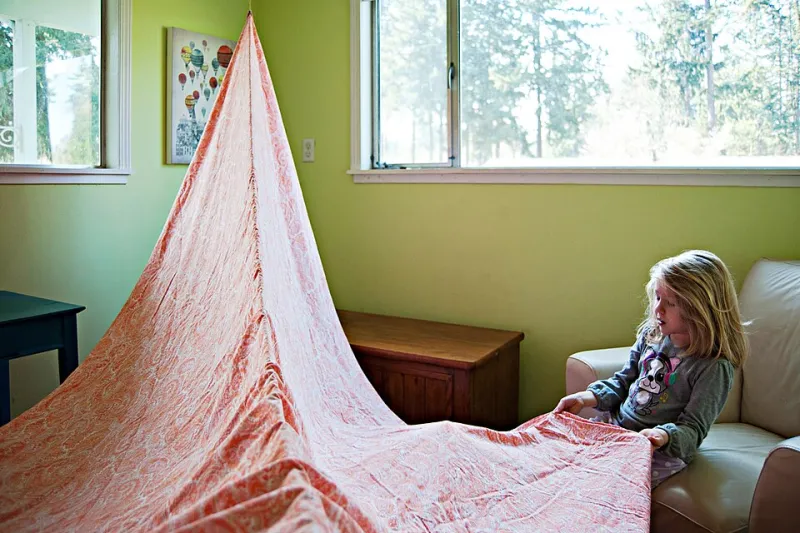
1. The venue. Your best free options are already paid for with your tax dollars. Most public parks have first-come, first-served shelters — arrive early with a folding table and a banner to claim one. Public libraries frequently offer free meeting room reservations for residents, and many will let you book a children's room for a weekend slot. And never underestimate a backyard: string up a bedsheet between two trees and you've got a venue.
2. The food. Potluck is the workhorse of the free party. The trick is assigning, not asking. Instead of "bring something if you want," send a short text: "You're on drinks!" or "Could you bring a fruit tray?" Specific requests get specific results. For Mateo's party, the Reyeses cooked a big pot of rice and beans (cheap, filling, feeds a crowd) and let the neighborhood cover everything else.
3. The entertainment. This is where skill-swapping shines. Ask around: does someone play guitar? Does a teenager on your street want volunteer hours and a slice of cake in exchange for face painting? Does a retired neighbor do magic tricks or woodwork? On the Reyeses' street, a dad who worked at a hardware store ran a "build-a-birdhouse" station with scrap lumber. It was, by every account, the hit of the day.
4. The cake. Free doesn't mean skipping the cake. Bake it yourself — even a box mix with homemade frosting feels special when it's shaped like something. Or split the tradition: ask each family to bring a dozen cupcakes, and let the birthday kid "assemble" a rainbow cake from everyone's contributions.
Your Zero-Dollar Party Template
Here's the exact sequence, ready to copy:
Four weeks out: Pick a date and a free venue (park shelter, library room, backyard). Book or plan to arrive early.
Three weeks out: Make your guest list. Text invitations — a digital invite costs nothing and lets you assign potluck roles in the same message.
Two weeks out: Line up skill-swap entertainment. Post in your neighborhood group or school chat: "Looking for a teen who does face painting or balloon animals for a birthday on the 14th — cake and glory provided."
One week out: Confirm who's bringing what. Plan two or three simple games that need zero supplies: freeze dance, red light green light, a nature scavenger hunt at the park.
Day before: Bake or assemble the cake. Gather folding tables and chairs from neighbors.
Day of: Arrive early to claim your space. Put the birthday kid to work on decorations — hand-drawn signs count, and they're often the sweetest part.
Real Families, Real Zero-Cost Parties
In Boise, the Whitfields turned their daughter's party into a library event: forty minutes of story time run by a librarian friend, then crafts using the library's own supplies. "Parents kept saying it was the calmest birthday they'd ever attended," Jess Whitfield says.
In Atlanta, the Okafor family hosted a "talent show potluck" in their apartment complex courtyard, where every kid performed something — a dance, a joke, a somersault. "My son still does his 'magic act' from that day," says Chidi Okafor. "The trick was fake. The applause was real."
The pattern across all of them is the same: when you can't buy the experience, you build it. And it turns out built experiences are the ones that last.